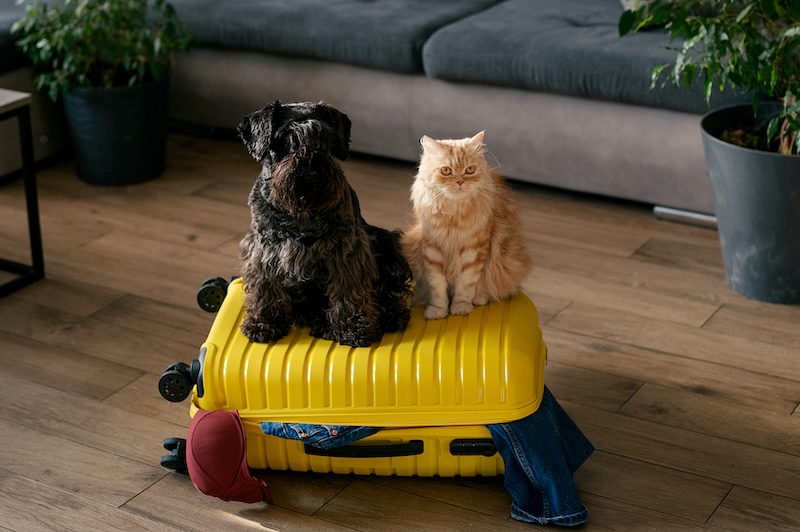
Travelling with a pet can be brilliant.
It can also involve a dog insisting the services are a five-star buffet, a cat loudly announcing its objections to every mile of the journey, or a rabbit looking deeply unimpressed by all of your life choices.
The good news? A little preparation goes a long way.
Whether you’re heading off for a weekend away, visiting family or planning a proper holiday, here’s how to make travelling less stressful for both you and your pet.
The biggest mistake people make is introducing travel on the actual day of the trip.
If your pet only ever sees their carrier five minutes before something scary happens, it’s no surprise they aren’t keen.
Instead:
Think of it like introducing children to camping. You don’t start with two weeks in the Highlands.
The RSPCA recommends helping pets become familiar with carriers and short journeys before travelling, as it can significantly reduce stress.
Pets rarely appreciate your excellent packing skills.
They do appreciate familiar smells.
Bring:
A familiar blanket can make a completely new environment feel much more reassuring.
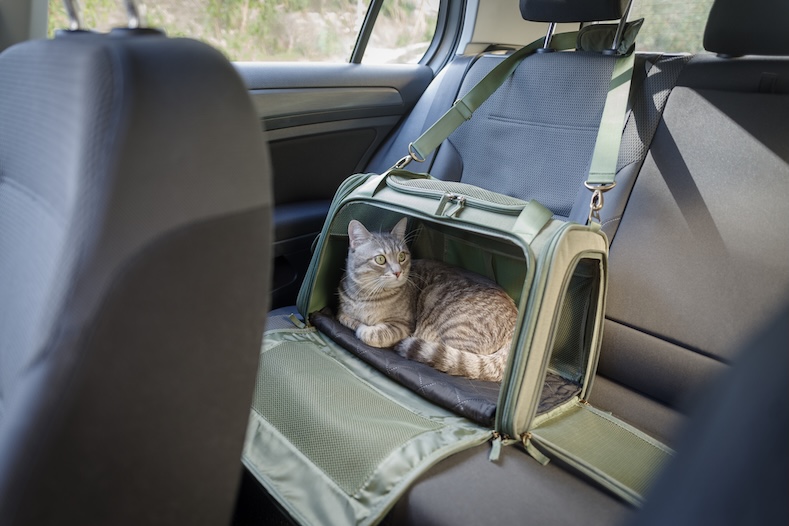
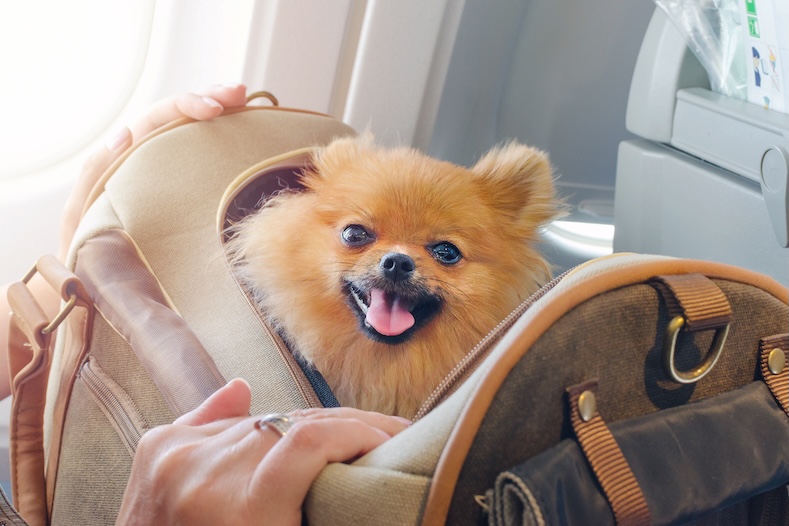
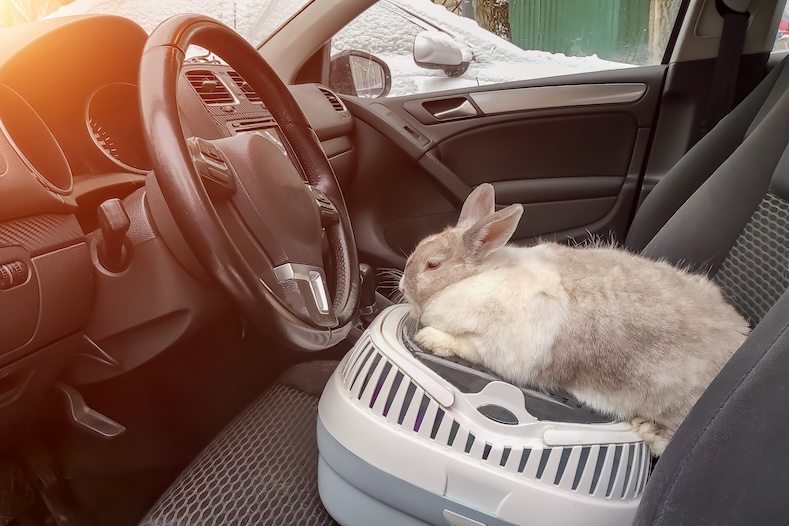
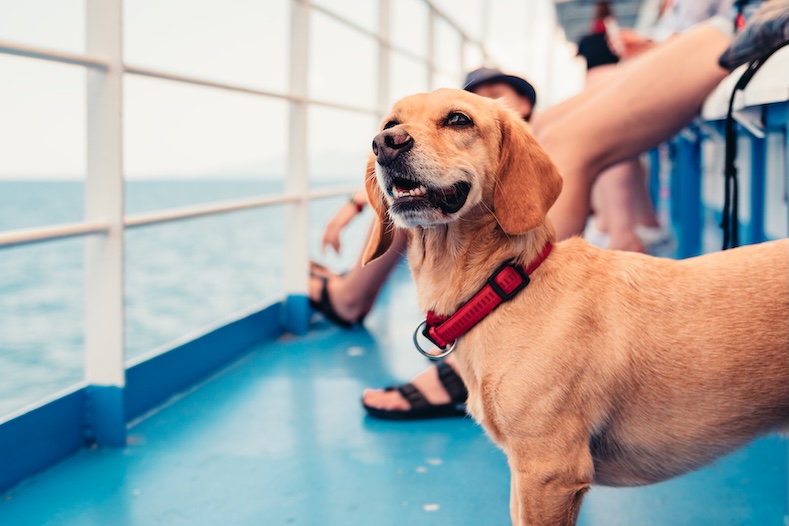
Cars are usually the easiest option, and they’re a favourite for many UK pet owners heading to Europe. With the Eurotunnel and plenty of pet-friendly ferry routes, you don’t necessarily have to take to the skies to enjoy a holiday abroad. There are still a few golden rules to make the journey as smooth as possible.
A loose pet can distract the driver and become injured if you brake suddenly.
The RSPCA advises securing carriers properly and ensuring animals can’t distract the driver or escape during stops.
Even on what feels like a mild day, temperatures inside a vehicle can rise frighteningly quickly.
Five minutes can become twenty. Twenty can become dangerous.
If you can’t take them with you, don’t leave them in the car.
If you’re driving for several hours:
Cats, rabbits and smaller animals generally cope better staying safely inside their carriers during stops unless you’re somewhere completely secure.
If you’re travelling in or around the UK, train journeys can be a good option and actually easier than expected.
Before travelling:
A quiet carriage sounds ideal in theory…
…unless your cockatiel decides it’s time for an impromptu concert.
Flying takes a bit more planning than any other type of travel.
If you’re travelling internationally, don’t assume every airline has the same rules. Some European airlines allow small cats and dogs to travel in the cabin if they fit within the airline’s size and weight limits. Others only transport pets in the aircraft hold. That isn’t generally the case with flights to or from the UK, where pets (other than recognised assistance dogs) aren’t usually allowed to travel in the cabin. For clarity please visit GOV.UK for the latest advice and guidance.
Because some European airlines (such as KLM, Lufthansa and Air France) do allow small cats and dogs to travel in the cabin on flights within Europe, some UK pet owners choose to fly into (or out of) Dublin before completing the journey to Great Britain by ferry. It can be a longer trip, but for owners who’d rather avoid their pet travelling in the hold, it’s a popular option.
Whichever route you choose, always check your airline’s pet policy well in advance and make sure you have the correct vaccinations and paperwork for your destination. If you’re unsure whether flying is the right option for your pet, have a chat with your vet first.
Not every pet dreams of becoming a globe-trotter.
Many dogs genuinely enjoy travelling once they’re used to it.
Take regular exercise breaks, bring water and avoid feeding a large meal immediately before travelling if they tend to get travel sick. If they do struggle with sickness or anxiety, speak to your vet before your trip.
Cats usually prefer familiarity over adventure.
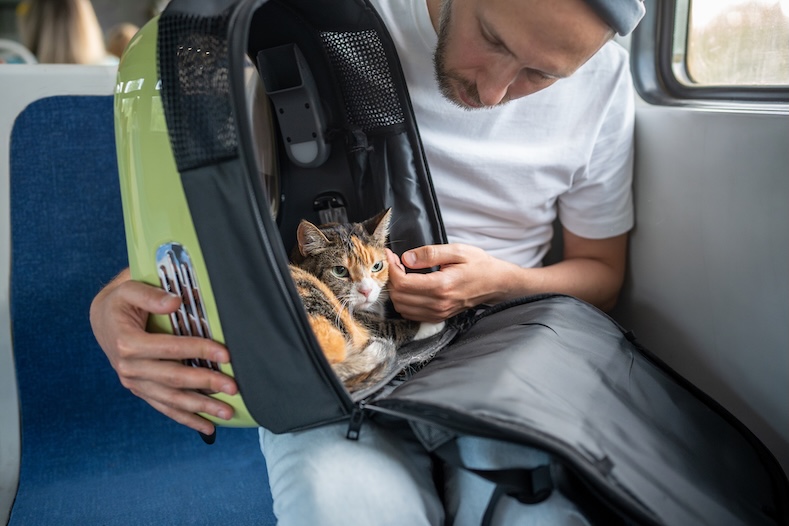
Keep them safely inside their carrier and include bedding that smells like home. Covering part of the carrier with a light blanket (while keeping ventilation clear) can also help some cats feel more secure.
Don’t be offended if they ignore your carefully planned itinerary.
They were never interested in it anyway.
Rabbits can become stressed by travel, so only take them when necessary.
If they normally live with another bonded rabbit, travel with them together where appropriate. Use familiar bedding and ensure they have access to food and water throughout the journey.
Hamsters, guinea pigs, gerbils and similar pets should travel in secure carriers or suitable travel cages with familiar nesting material.
Keep them away from direct sunlight, loud noises and extreme temperatures.

Sometimes the kindest option is not to.
The RSPCA points out that many cats, rabbits and smaller pets often find unfamiliar environments extremely stressful, meaning a trusted pet sitter or quality boarding facility may actually be the better choice.
Dogs tend to adapt more easily, but every pet is different.
You know your little weirdo better than anyone.
The smoother the journey, the quicker everyone settles once you get there.
Take your time.
Stick to their normal routine where possible.
Expect them to need a little while to adjust.
And if they immediately claim the best seat in the accommodation before you’ve even unpacked…
Well, that’s pretty standard behaviour.
Before you leave, make sure you’ve got:
Because holidays are much more enjoyable when the only drama is deciding who’s getting the window seat. (Spoiler: it probably isn’t you.)