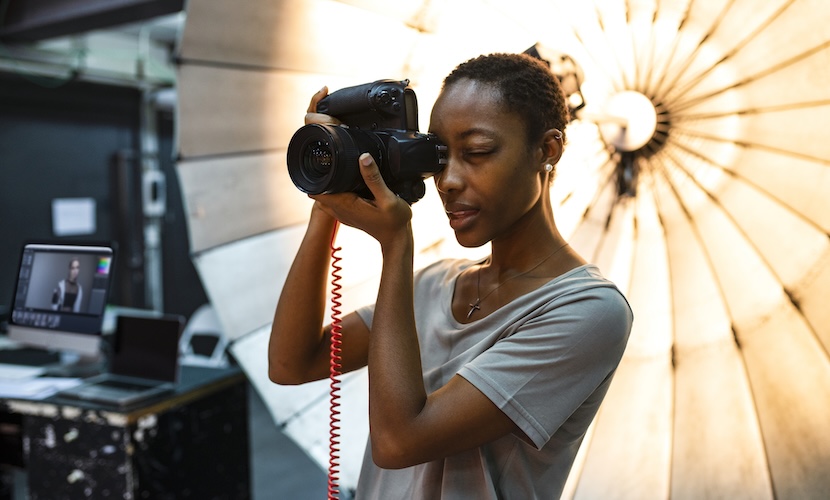
If photography is your passion, you may dream of giving up your day job and becoming a freelance photographer. After all, what could be better than doing what you love as your day job, rather than having to shoehorn it into whatever spare time is left after the necessities of life?
But what would be involved in the process of becoming a freelance photographer? And would you be able to earn enough money to live on? In this article we share a few ideas on how to become a freelance photographer.
If you are putting yourself out there as a freelance photographer you need to be ready to do the job. Before you even think of looking for clients you need to do three important things:
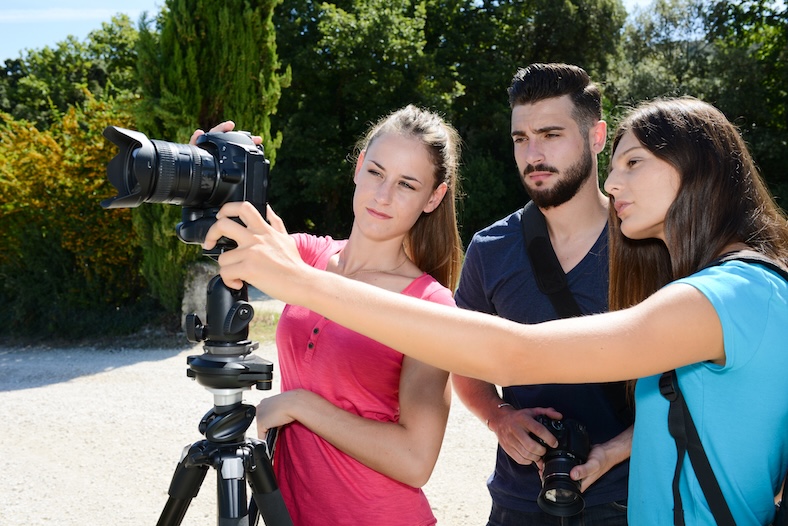
To be a successful freelance photographer you need to be at the top of your game in terms of photography skills. That may sound obvious, but it’s easy to become complacent and think you are fine as you are. But unless you are constantly honing your photography skills and learning new tips and techniques, your photos could start to look dated.
There are a variety of photography courses you could take to improve your skills and knowledge, including part-time, evening and weekend photography courses that will dovetail with your current work commitments. A good place to start looking is at local centres that run evening classes. Check out the Find Courses site Evening classes near me to see what might be available. Also bear in mind that some photographic associations – such as the British Academy of Photography – and various universities also run part time photography courses that could fit the bill.
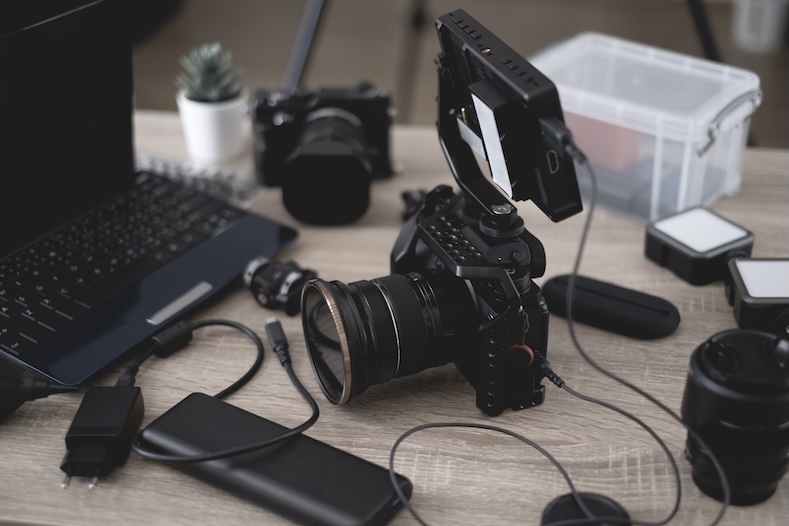
There is no set list of equipment that you are obliged to have as a freelance photographer. The key thing is to find a combination of kit that you enjoy working with and can give you the flexibility you need to do a really good job.
Some of the essential items that you are likely to need include:
But tailor the above list to what works for you.
As well as having the right combination of equipment for your needs, you also need to be completely familiar with all aspects of it so that you can use it to its full potential and not get caught out by anything during a photo shoot. Take time to work through all the settings so that you can capture the best quality images you can when the time comes.
It can also be very beneficial to join a professional photography association. As well as giving you more credibility as a photographer, you could also benefit from discounts and access to additional resources. And of course there is also the power of networking and being able to get feedback on your work from others if you would find this helpful.
Some potential professional associations to explore in the UK are:
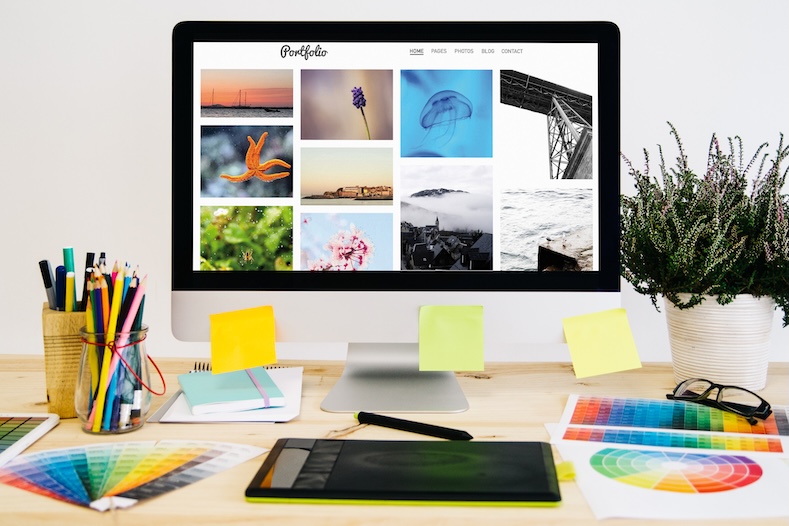
Before you launch yourself on paying clients, you need to build a portfolio of work that you have done. This will give potential clients an idea of your photography style and range, and provide evidence of your ability to take quality photographs.
At this point you also need to decide whether you are going to specialise in any particular kind of photography, or whether you want to be a more generalist photographer. Different kinds of photography in which you could specialise include:
Building your portfolio can take time and energy, but will be well worth the effort in the end. Enlist the help of friends and family to get you in front of the people and events that you are interested in photographing, and you will gradually build up a body of work to be proud of.
Once you have decided the direction you want to take as a freelance photographer, you can start to create your brand. This will help you to become known and enable your target audience to find you.
There are three key aspects to consider here:
You may decide just to operate as a freelance photographer under your own name, but there is also the opportunity to create a business name, ideally one that reflects the nature of your photography. As a sole trader, you can choose either of these options. But give some serious thought as to which is the best way forward for your business.
Every business needs a logo, even if you are operating under your own name. You need to create something memorable that will stand out and is also relevant to your business. It could be worth paying a graphic designer to get the best logo you can, bearing in mind that once you have it you can use it for years to come.
No matter how good a photographer you are, you will need to put effort into attracting people to you : they won’t just stumble across you by accident. Hopefully as your reputation spreads, you will begin to get referrals through word of mouth, but that is not going to happen straightaway. So you need to think about how you are going to advertise your services.
In the next section we look at various things that you may want to try.
Once you are ready to get going, it’s time to put yourself out there. There are many different ways to do this. You probably won’t have time to do them all, and indeed not all of them will be suitable for the target audience you are trying to attract.
So the first thing to do is to decide who that target audience is, then think of the best ways to draw them to you. Here are five ways you might want to do that:
In today’s digital age it is important to have a website as a dedicated online presence where people can find you. It does not have to be expensive or complicated : it is straightforward to create a simple website from a template. Just ensure that you include all the essential information about yourself, the photography service(s) you provide, your pricing, examples of your work, and how to contact / book you.
There are many different social media channels you can use, for example Facebook, Instagram, X, TikTok and Youtube. The key thing is to work out the one(s) that your target audience will be most likely to use. And remember it’s often a case of “less is more” : it’s better to do one social media channel really well than have accounts on several and not keep them up to date.
Whatever channel(s) you use, make sure you update them regularly, get as many Likes / Follows as possible, and do as much as you can to engage with people e.g. questions, polls, competitions to get people responding. Also bear in mind that video is very popular so, for example, a video of a photo shoot could be very successful.
Business cards are always useful to have with you, as an opportunity to ensure that anyone potentially interested in your services has your contact information, such as phone number, email address, website and social media links.
Good old-fashioned leaflets can still work wonders in terms of marketing. You could use them door to door – for example on a new housing estate if you are specialising in family photography – or have them available at local fairs and events, perhaps with a special discount offer on production of the leaflet.
Always be on the lookout for events and fairs that could help spread the word about your business. Some may agree to you setting up a stall for a one-off special offer photograph, others may be happy for you to hand out leaflets advertising your services. Take every opportunity to network and engage with your target audience to bring in more business.


According to Indeed, the average salary for a freelance photographer in the UK is currently around £24.61 per hour. If you use this as a starting point, you need to work out how many hours per week you would need to work to get to the level of income that you need.
But bear in mind that when you are starting out, you may not initially be able to reach the number of hours that you need. So a good way to get going is to run your freelance photography business alongside your day job, and gradually shift the balance more towards your photography work as the volume of work increases. This is likely to be a tense time, when you are making sure you have enough other paid work to supplement your income from photography, but it will be worth it in the end.
Remember, once you are confident and established as a freelance photographer you can increase the fees you charge. And when setting your prices, ensure that you build in or add on all your expenses so that you don’t end up out of pocket. For example, travel costs and any additional photo editing needed.
One of the benefits of being self-employed is that you can also choose your own hours. There may be times when you want or need to work very long hours, for example to sort out financial commitments. But then there may be other times when you are able to slacken the reins a little and enjoy putting in less working hours.
We hope that this article gives some useful information about how to become a freelance photographer. If this is your dream, we wish you the very best of luck and hope you make it a success.
Do check back here soon for more helpful photography guides from Print Your Memory.