Plants and pets should be able to live together quite happily. One sits nicely on the windowsill looking decorative. The other digs in the soil, chews a leaf and then looks you directly in the eye while doing it.
Unfortunately, plenty of popular houseplants, flowers and garden plants can be harmful to our pets. Some might cause an upset stomach or irritation, while others can lead to much more serious poisoning.
And because dogs, cats and other pets have absolutely no interest in reading the care label that came with your new houseplant, it falls to us to do the checking.
Here are 10 plants worth knowing about if you share your home or garden with pets.
If you have a cat, this is the big one.
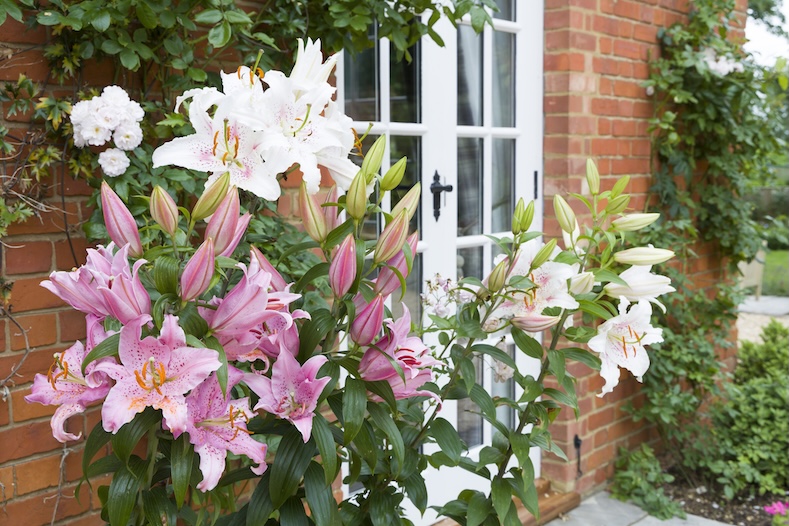
True lilies, including Easter lilies and tiger lilies, can be extremely dangerous to cats. Every part of the plant can pose a risk, including the leaves, flowers, stems and pollen. Even the water from a vase containing lilies can be dangerous.
A cat doesn’t necessarily need to sit down and deliberately eat the plant either. Pollen can get onto their fur when they brush past a flower and then be swallowed when they groom themselves.
Cats Protection advises cat owners not to keep lilies in the home or garden at all. Even small amounts can cause severe poisoning and potentially acute kidney failure.
Worth knowing: Not every plant with “lily” in its name has the same effect. Peace lilies, for example, are not true lilies, although they can still cause problems if chewed. If you have a cat, check the exact plant rather than relying on its common name.
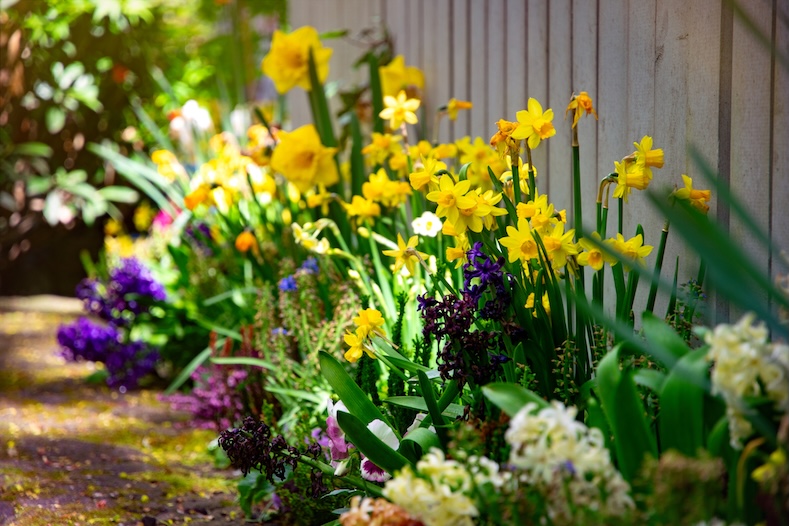
They might be one of the first cheerful signs that spring has finally arrived, but daffodils aren’t quite so cheerful if your pet decides to eat one.
The whole plant can be harmful, but the bulb contains a particularly concentrated amount of the toxic compounds. That’s worth remembering if you have a dog who considers digging up freshly planted bulbs an excellent afternoon activity.
Eating daffodils can cause symptoms including vomiting, diarrhoea and drooling. More serious poisoning is possible if larger quantities are eaten.
Keep unplanted bulbs somewhere secure too. A bag of bulbs sitting in the shed can be surprisingly interesting to a curious dog.
Another spring favourite that deserves a little caution around pets.
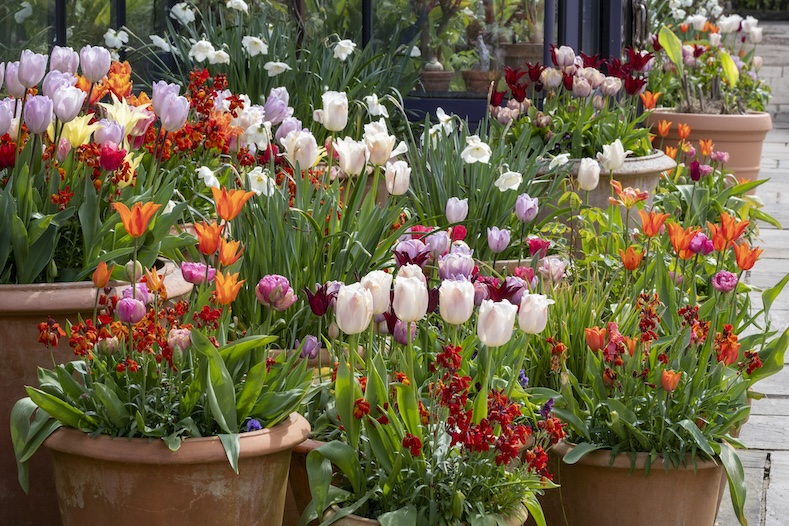
Tulips contain irritating compounds throughout the plant, but these are particularly concentrated in the bulb. Dogs that dig in flower beds or find a bag of bulbs waiting to be planted may therefore be at greater risk.
Eating tulips can lead to drooling, vomiting and diarrhoea, among other symptoms.
You don’t necessarily need to give up on tulips completely, but think carefully about where they’re planted and where you store the bulbs before they go into the ground.
The sago palm has become a popular ornamental plant thanks to its rather impressive tropical appearance.
Unfortunately, it can be extremely dangerous to pets.
All parts of the sago palm are toxic to dogs and cats, with the seeds containing particularly high concentrations of toxins. Poisoning can cause severe gastrointestinal symptoms and liver damage or liver failure.
This isn’t really one for the “we’ll just put it on a higher shelf” approach. If you’ve got pets, choosing a different plant is the much safer option.
This one catches people out.
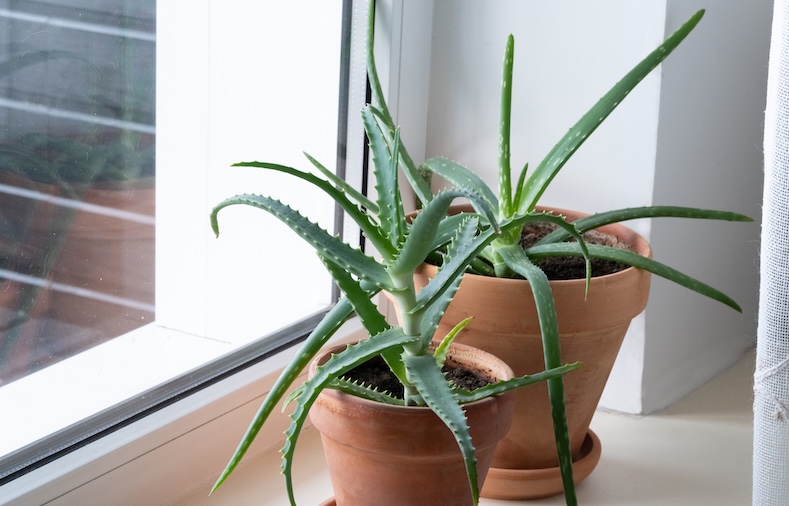
Aloe vera has a reputation as a useful plant for humans and is found in everything from skincare products to after-sun. That doesn’t mean your dog or cat should be helping themselves directly from the windowsill.
Aloe vera is listed by PDSA as a houseplant to avoid around pets. Eating it can cause gastrointestinal problems and other symptoms.
So by all means keep the aloe for your own purposes, but not somewhere your resident plant inspector can nibble it.
Azaleas and rhododendrons can add huge splashes of colour to a garden, but they’re another group worth treating with caution around pets.
If eaten, they can cause vomiting, drooling and other gastrointestinal symptoms. More significant exposure can affect the nervous system and heart.
Cats Protection specifically lists azaleas and rhododendrons among common spring plants that can cause illness in cats.
If you already have them growing in the garden, it’s worth knowing exactly where they are and keeping an eye on pets that have a tendency to chew vegetation.
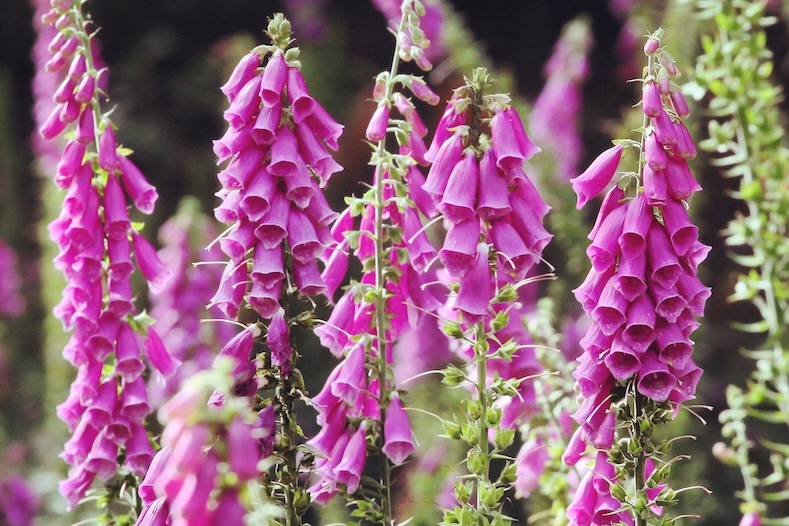
Foxgloves look beautiful in a cottage garden. They’re also a good example of why “natural” definitely doesn’t mean “safe to eat”.
Foxgloves contain compounds that can affect the heart and are dangerous to pets if eaten. Blue Cross recommends removing toxic plants such as foxgloves from pet-friendly gardens.
This is particularly worth thinking about if you have a puppy, a young cat or another pet that tends to investigate the world by putting most of it in their mouth.
Common ivy is everywhere in the UK. It climbs walls, covers fences and generally appears wherever you didn’t actually ask it to grow.
It can also be harmful to pets.
PDSA includes ivy on its list of poisonous plants and advises pet owners to prevent animals from eating it.
Obviously, removing every piece of ivy from the neighbourhood is ambitious, even by enthusiastic gardening standards. But you can check your own garden and discourage pets from chewing or playing with it.

Philodendrons are popular houseplants, partly because they’re attractive and partly because some varieties are fairly forgiving when you forget to water them for an embarrassingly long time.
They’re not so forgiving when chewed by pets.
Philodendrons contain insoluble calcium oxalate crystals. Biting into the plant can irritate the mouth, lips and tongue and may cause drooling, pawing at the mouth, vomiting or difficulty swallowing.
If you have a pet who leaves plants completely alone, keeping one securely out of reach may reduce the risk. If you have a cat who views “out of reach” as a personal challenge, a pet-safe alternative is probably easier.
Yes, even some succulents can make the list.
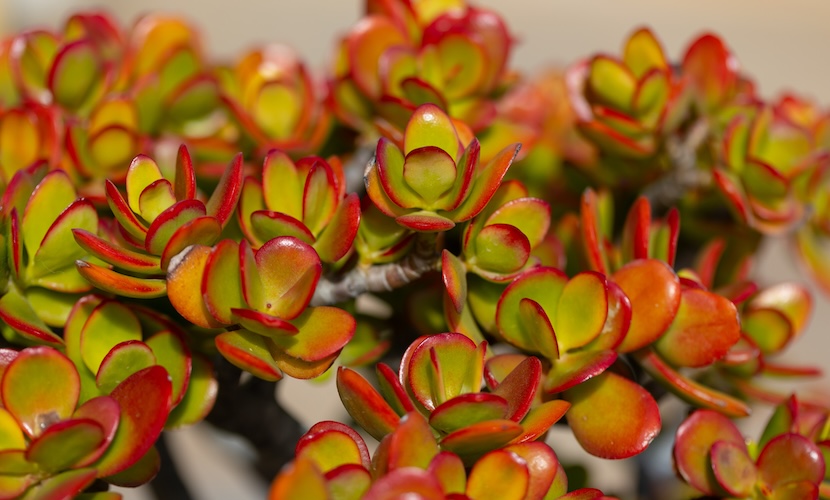
Jade plants are popular because they’re compact, attractive and relatively easy to look after. Unfortunately, they’re considered toxic to both cats and dogs.
Eating jade plant material can cause vomiting and other gastrointestinal problems. Some animals can also become lethargic or uncoordinated.
It’s a useful reminder that “succulent” doesn’t automatically mean “pet safe”. There are plenty of pet-friendly options, but it’s always worth checking the exact species before bringing one home.
Don’t wait for symptoms to appear.
If you think your pet has eaten, chewed or otherwise been exposed to a potentially poisonous plant, contact your vet straight away. With certain plants, particularly lilies and cats, getting veterinary treatment quickly can be extremely important.
If possible:
If you’re not sure what the plant is, your vet can advise you on what to do next.
Nobody needs to turn their home into a completely plant-free zone just because they have pets.
There are plenty of pet-friendly plants available, including orchids, peperomia, prayer plants and certain ferns and palms. The important thing is checking before you buy rather than discovering the problem after your dog has eaten half the pot.
It’s worth checking bouquets too. Flowers can arrive as gifts without any warning that they contain something unsuitable for your pet, with lilies being particularly important for cat owners to spot.
Ultimately, you know your pet. Some couldn’t care less about the greenery around them. Others see a newly purchased £30 houseplant and immediately wonder what it tastes like.
For the second group, choosing pet-safe plants from the start is probably the wisest plan.